Product Description
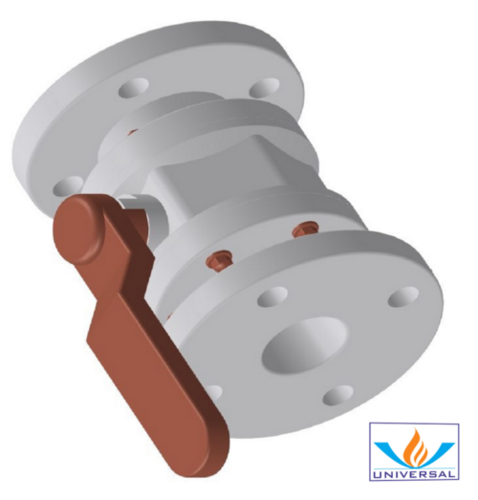
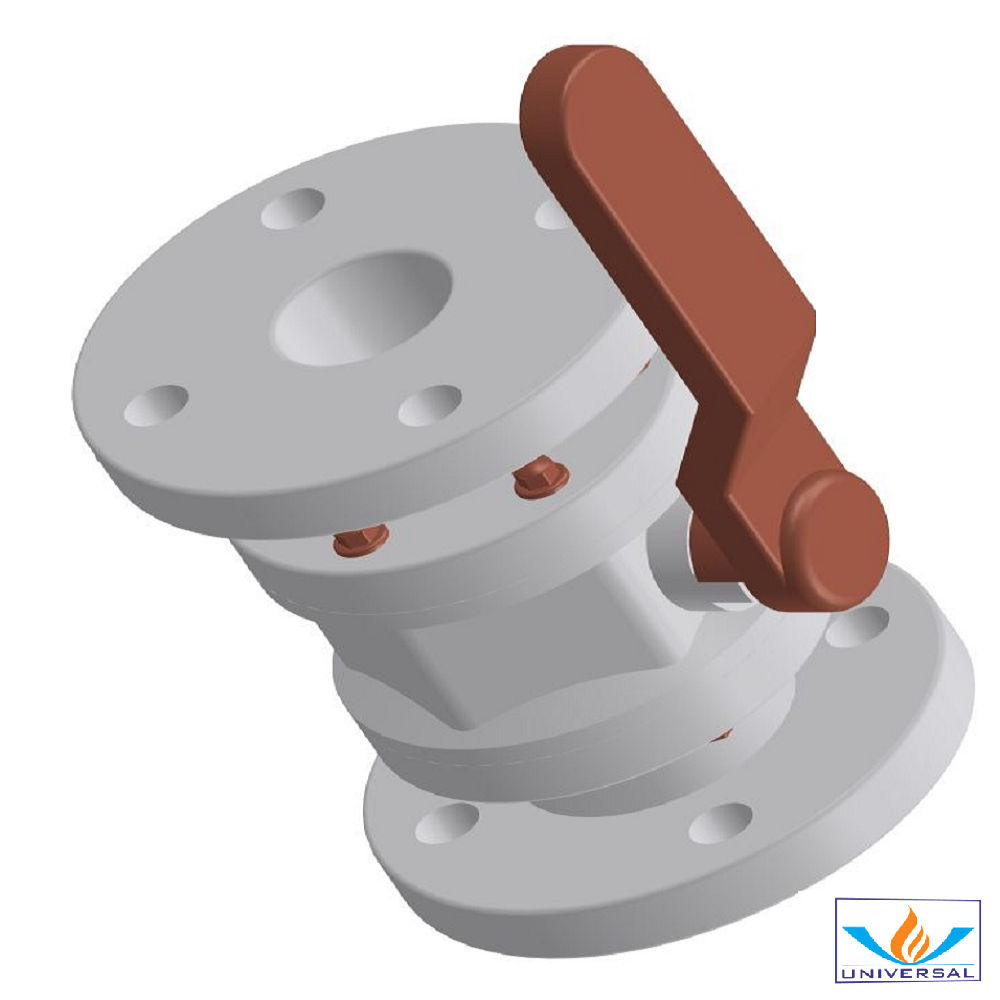
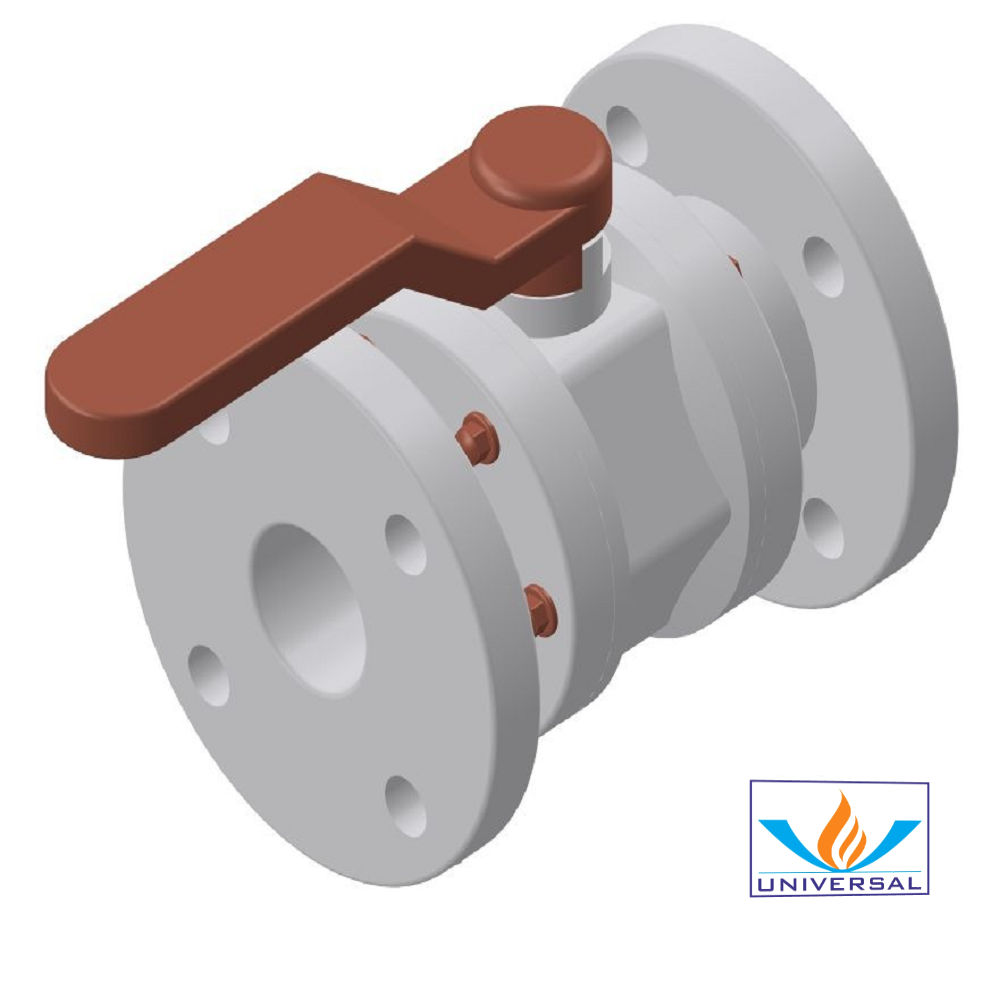
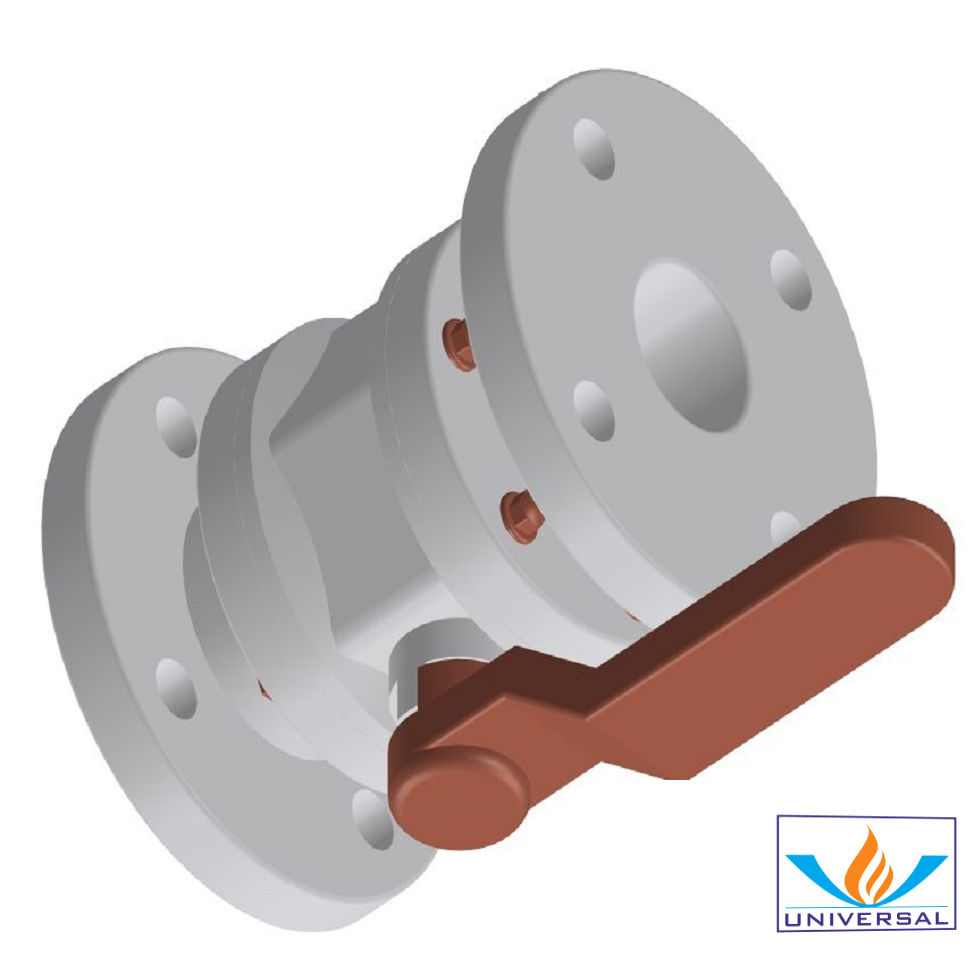
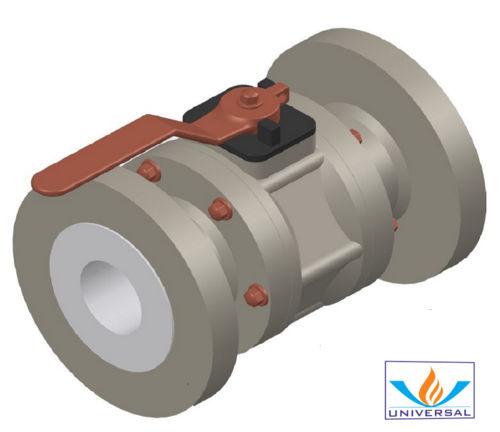
P-H isThe Best Thermoplastic For Chemical Uses Resins and Partially Crystalline ResinBelonging to The Engineering Thermoplastic Family of Polyolefins. PPH BallValve is Obtained Through The Polymerization Of Propylene (C3H6) With The AidOf Catalysts.
Standard :- As PerManufacturer Standard
Connection End :-Flangedas per ANSI B 16.5 (150#) & BS 10 (Table D/E/F) & DIN STD.
It has strong chemical resistance, excellentthermal stability, and mechanical resilience, even when subjected to stress. Itis the appropriate material for producing goods such as flanges and freeflanges due to its low specific weight and long-time duration. PPH is alsosuitable for contact with foodstuffs due to its low conductivity and abrasionresistance. Pressure Rating:- Drilling Standards:-
| BODY | 15NB TO 65NB | 10 KG/CM2 (140 PSI) |
| | 80NB TO 150NB | 8 KG/CM2 (115 PSI) |
| SEAT | 15NB TO 150NB | 10 KG/CM2 (140 PSI) |
ASA#150,F-Table, Capsule Shape(Universal Drill)
Enhanced Chemical and Acid ResistanceDesigned specifically for demanding chemical and acid flow control applications, this T3 ball valve utilizes high-grade polypropylene for outstanding corrosion resistance. Its double O-ring sealing ensures superior leak protection, making it ideal for laboratories, process industries, and water treatment plants where reliability is paramount.
Robust and User-Friendly ConstructionManufactured by injection and compression molding, the valve combines a rigid structure with a smooth dual-tone finish. The plastic-coated steel handle provides comfortable manual operation, while threaded end connections allow for easy installation across various systems. With a low-maintenance profile, users experience operational simplicity and longevity.
FAQ's of Ball Valve Suitable For Chemical Acid Type T3:
Q: How does the Chemical Acid Type T3 Ball Valve ensure leak protection during acidic media flow?
A: The valve features double O-ring sealing, which significantly enhances leak prevention and maintains secure operation, especially when handling aggressive acidic or chemical fluids.
Q: What materials are used in the construction of this ball valve and why are they suitable for corrosive environments?
A: The valve is made from rigid polypropylene (PP) molded through injection or compression techniques. Polypropylene is highly resistant to acids and chemicals, ensuring durability and minimal corrosion in harsh industrial environments.
Q: When should I consider using this ball valve for my flow control requirements?
A: You should consider the Chemical Acid Type T3 Ball Valve for applications requiring safe and efficient control of chemical, acidic, or water media, especially where excellent corrosion resistance and low maintenance are priorities.
Q: Where can this ball valve be installed?
A: This valve is suitable for installation in chemical processing plants, laboratories, water treatment facilities, and any setup where control of liquid or acidic flow is necessary, provided the connection sizes (15 mm to 50 mm) are compatible with existing piping.
Q: What is the process for installing and maintaining the Chemical Acid Type T3 Ball Valve?
A: Installation involves threading the valve onto compatible pipes using the threaded ends. Maintenance is minimal due to the valve's robust materials and sealing design; periodic inspection for wear is recommended to ensure ongoing leak-free performance.
Q: How does the full bore design benefit flow control operations?
A: A full bore design enables unobstructed media passage, resulting in minimal pressure loss and efficient on/off flow control, which is vital for both acidic and neutral liquid applications.
Q: What are the benefits of the manual automation grade and plastic-coated steel handle?
A: Manual operation offers direct control over flow, making adjustments straightforward. The plastic-coated steel handle ensures a comfortable grip and resistance to chemical exposure, contributing to safe and convenient usage.






 Send Inquiry