Product Description
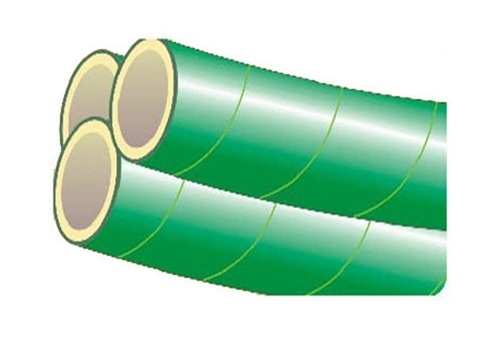
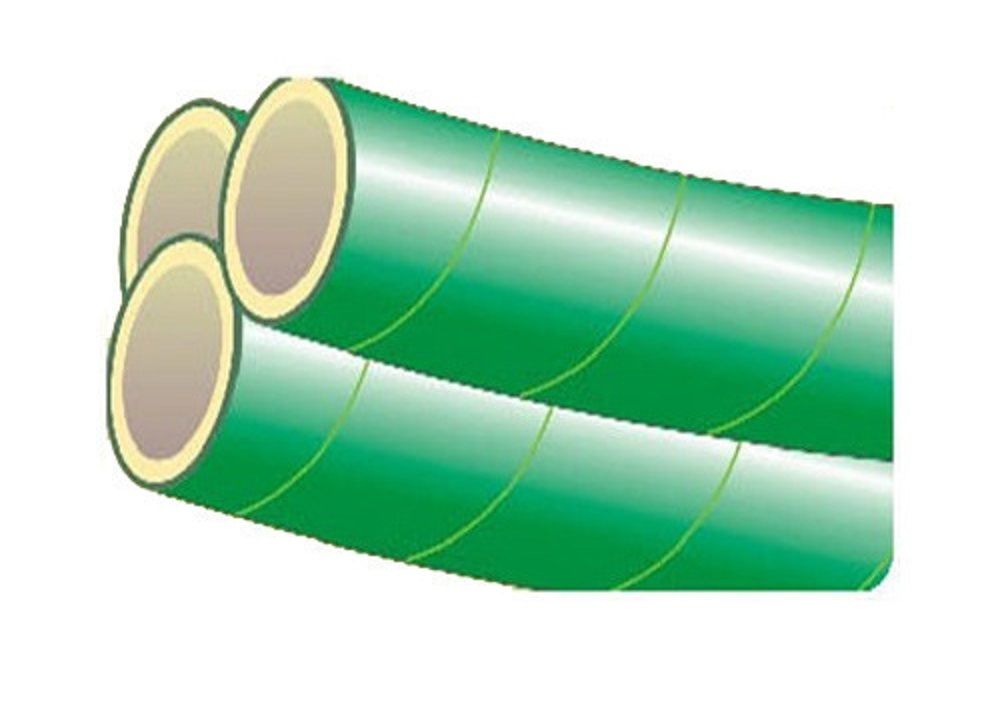
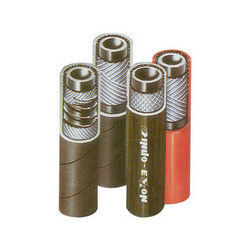
We are one of the most trusted names in this domain, engrossed in supplying an extensive variety of Heat Resistant Carbon Free Hoses. Offered hoses are manufactured with the aid of modern machines by utilizing superior quality raw materials and latest techniques in compliance with predefined industry terms. These hoses are appreciated for their non-conducive synthetic rubber exterior, which is resistant to oil, heat & electricity. Find their uses in steel mills, oil plants and other engineering industries, we provide these Heat Resistant Carbon Free Hoses in varied lengths and thicknesses at pocket friendly rates.
Features:
-
Excellent elasticity
-
Easy usage
-
Good tolerance capacity
-
Non porous
Heat Resistant Carbon Free Hoses:
Our assorted range of Heat Resistant Carbon Free Hose is appreciated for its non-conducive synthetic rubber exterior, which is resistant to oil, heat & electricity. These are applied in various areas such as steel mills, oil plants and other engineering industries. Clients can avail from us 3 types of following hose :
1. Carbon Free Hose
These are used to cover power cables in steel mills, glass work and other, as these are non-conductive (electric) hoses. These avert damage and loss of electric current in power cables, when exposed to open flame splashes or hot metal during radiation.
2. Cable Coolant Hose Plain Or Asbestos Cover
These cover power cables for additional protection, when exposed to extreme temperature, radiation from steel furnace, open flames and others.
3. Furnace Coolant Asbestos Covered Hose
These are heat resistant and suitable in areas like steel mills, glass works, electrical furnaces and more. These protect the cables when exposed for heat radiation, splashes of hot metal and open flames.
Following are the specification of our range:
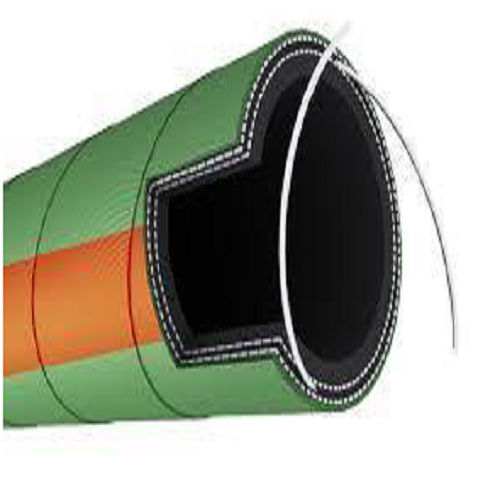
| Tube | White/black, smooth non-conductive synthetic rubber compound, oil & electrical resistant |
| Reinforcement | Textile infused with rubber in suitable numbers of plies or synthetic fiber yarn |
| Cover | Oil & heat, electrical resistant synthetic rubber compound, white non-conductive (electrical) rubber with asbestos cloth capable of withstanding temperature upto 500C (932F) |
| Temperature | -40F to +200F |
| Length | Max. 18 meters |
For price click below link 
Technical Details
Superior Electrical ResistanceThese hoses possess electrical resistance greater than 1 Mega Ohm, making them suitable for applications where electrical conductivity must be avoided. Their design ensures safe operation in environments with stringent electrical insulation requirements.
Exceptional Durability and FlexibilityManufactured from carbon free rubber and reinforced with high tensile synthetic textile plies, the hoses offer a highly flexible yet robust solution. They maintain flexibility across the full length (up to 15 meters continuous) without compromising strength or integrity.
Compliance with IS 444/Type 3A StandardsEach hose is engineered to meet or exceed IS 444/Type 3A standards. This guarantees consistent performance, safety, and reliability for industrial applications, assuring customers of quality and regulatory compliance every time.
FAQs of Rubber Carbon Free Hoses:
Q: How are Rubber Carbon Free Hoses typically used in industrial applications?
A: Rubber Carbon Free Hoses are commonly utilized for conveying water, compressed air, and non-corrosive fluids in environments where high flexibility and electrical insulation are required, such as electrical workshops, power plants, and factories.
Q: What benefits do these hoses offer over standard rubber hoses?
A: The major benefits include high electrical resistance (over 1 Mega Ohm), superior flexibility, enhanced durability due to abrasion- and weather-resistant cover, and compliance with international IS 444/Type 3A standards, making them safer and more reliable in critical applications.
Q: When should you choose a carbon free hose instead of a conventional rubber hose?
A: A carbon free hose should be chosen if your application involves equipment or environments where electrical conductivity through the hose could pose a hazard, or where enhanced flexibility and mechanical strength are desired.
Q: Where can these hoses be installed effectively?
A: These hoses can be installed in areas requiring long, continuous hose runs up to 15 meterssuch as power stations, transformer workshops, industrial plants, laboratories, and any site needing electrical safety and robust fluid transfer capabilities.
Q: What is the process for connecting these hoses to existing equipment?
A: The hoses are available with plain or flanged ends, enabling versatile connections. Installation typically involves attaching suitable clamps or flanges that fit the applications specific requirements, ensuring a secure and leak-proof operation.
Q: How does the burst pressure compare to the working pressure of these hoses?
A: These hoses provide a safety margin as their bursting pressure is at least three times the specified working pressure, offering enhanced security during operation and reducing the risk of hose failure under sudden pressure surges.






 Send Inquiry