Product Description
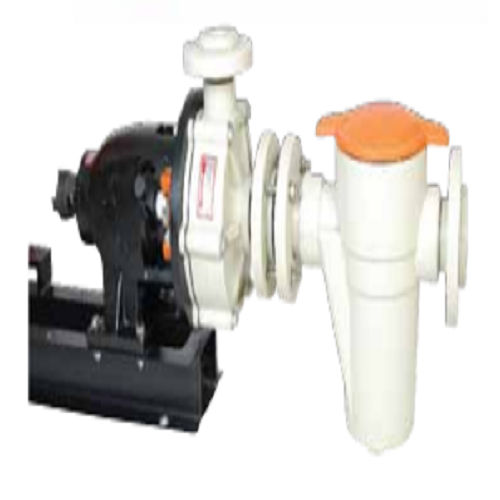
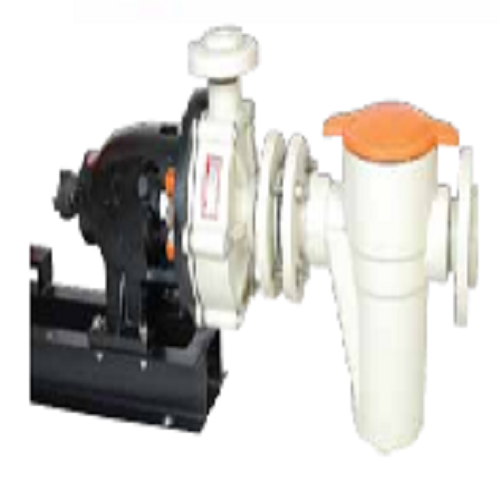
A PP basket strainer is a type of industrial strainer used for filtration of fluids. It is made of polypropylene (PP), a thermoplastic polymer that is resistant to a wide range of chemicals and solvents.
The PP basket strainer typically consists of a basket or mesh filter element housed in a polypropylene body. The basket or mesh filter element is designed to trap larger solid particles and debris, preventing them from flowing downstream and causing damage to pumps, valves, and other equipment.
PP basket strainers are commonly used in industrial applications such as water treatment, chemical processing, and food and beverage processing. They are particularly well-suited for applications where chemical resistance and corrosion resistance are important.
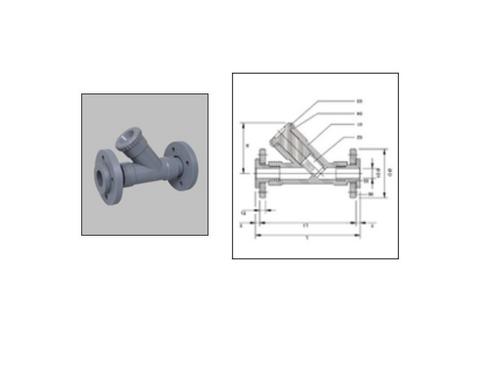
PP basket strainers are available in a range of sizes and configurations, including inline and side-entry designs. They are typically easy to install and maintain, and can be cleaned and reused multiple times before replacement is required.
Overall, PP basket strainers are an effective and reliable solution for fluid filtration in a variety of industrial applications.
Technical Details 
Versatile Filtration for Industrial and Agricultural NeedsEngineered from high-grade virgin polypropylene, the PP Basket Strainer offers superior resistance to chemicals, UV degradation, and corrosion, making it ideal for diverse industries including water treatment, chemical processing, and agriculture. Its perforated basket assures a high dirt holding capacity, maintaining optimal flow rates and reducing maintenance frequency.
Reliable Performance Under PressureWith an operating pressure rating of up to 5 kg/cm2 and an integrated leak-proof gasket, this strainer ensures reliable operation in demanding environments. Its molded design and Shore D hardness of 70-75 provide structural integrity and longevity even under continuous use.
FAQ's of PP Basket Strainer:
Q: How do I install the PP Basket Strainer with flanged or threaded connections?
A: The PP Basket Strainer can be installed using either flanged or threaded end connections, depending on your pipeline system. Simply align the strainer's inlet and outlet horizontally with your pipework and secure the connections. Always ensure proper gasket alignment for leak protection before completing the installation.
Q: What types of fluids and industries is this strainer suitable for?
A: This strainer is apt for chemical, water, process, and agricultural applications due to its excellent chemical resistance and high dirt holding capacity. It filters particulates efficiently in systems where corrosion resistance is essential, including industrial and irrigation settings.
Q: When should I clean or replace the basket in the strainer?
A: Regularly inspect the strainer based on your system's particulate load and flow rate. The easy-to-remove basket enables quick cleaning whenever blockage or flow reduction is observed. Replacement may be considered if wear, damage, or clogging persists after maintenance.
Q: Where can I request customized sizes or alternative configurations?
A: Customized sizes and configurations are available directly from the supplier in India. Contact your local distributor or the manufacturer to specify non-standard dimensions or requirements suited to your installation.
Q: What benefits does polypropylene construction provide for this strainer?
A: Polypropylene construction imparts lightweight durability, outstanding corrosion and chemical resistance, UV protection, and suitability for temperatures up to 90C. These features ensure long service life and minimal maintenance even in harsh or corrosive environments.
Q: How does the integrated gasket sealing enhance leak protection?
A: The integrated gasket is designed to ensure a tight and reliable seal between the strainer and pipeline, minimizing the risk of leaks even at operating pressures up to 5 kg/cm2. This design reduces the need for additional sealing materials and improves overall system safety.
Q: What is the process for routine maintenance of the strainer?
A: Routine maintenance involves shutting off system flow, unscrewing or unbolting the top cover, removing the perforated basket, and cleaning it with water or appropriate solvents. After cleaning, reassemble the unit carefully, ensuring the gasket is correctly seated to maintain leak protection.






 Send Inquiry